Coordinating Rides and Errands: The Small Logistics That Lift Big Weights
Getting there and back is half the battle. Here's how to build a ride and errand rotation that respects the driver, the family, and the person being cared for.
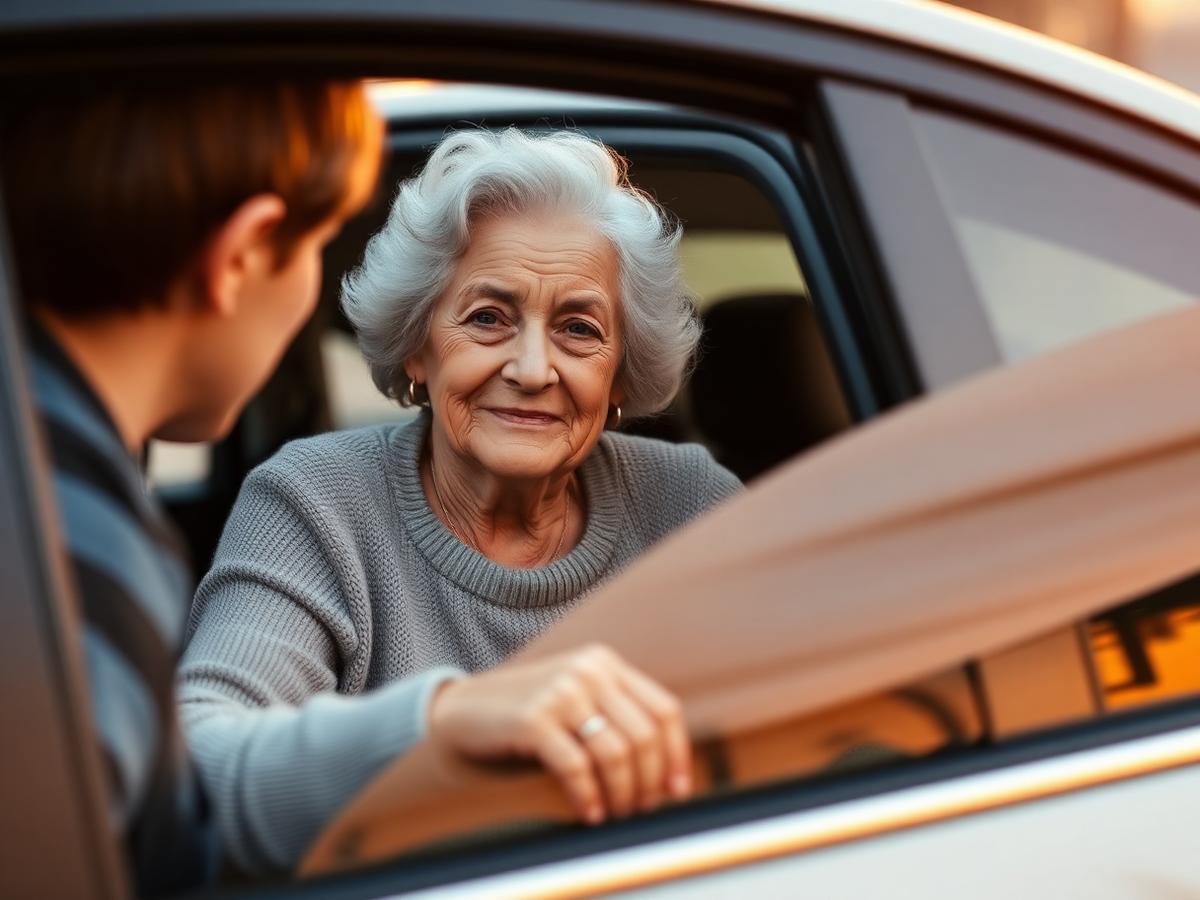
When someone is going through cancer, recovering from a hip replacement, or grieving a spouse, the map of their week is suddenly filled with places they need to be — and no easy way to get there. Chemo three times a week, physical therapy on Tuesdays, the pharmacy every ten days, a child's school pickup at 3:15. Every one of these is a small logistical weight. Together, they can bury a family.
This is where a well-run ride rotation becomes as important as meals. Rides and errands are less visible than casseroles — no one drops off a photogenic pan of them — but they may be the single most useful gift a community can give a family in crisis.
What actually needs a driver
- Medical appointments: chemo, radiation, dialysis, PT, dermatology, oncology follow-ups
- Non-medical appointments: the DMV, notary, funeral home, attorney's office
- School and childcare: pickup, drop-off, sports practice, after-school activities
- Errand runs: pharmacy, grocery, dry cleaner, post office, hardware store
- Church, community, and standing commitments they don't want to lose
- Visits to the loved one in the hospital or memory care
Building a ride rotation that holds
The families who get this right almost always share three habits. Copy them.
- Publish the schedule in one place. A shared calendar, a Rally, a signup sheet — one source of truth. Any system that requires texting one person to know who's driving Tuesday will fall apart in week three.
- Match by convenience, not obligation. The neighbor two blocks over is the right person for the 3:15 school pickup, not the friend who lives 40 minutes away. Let people pick the slots that fit their real lives.
- Assign a lead. One person owns the ride schedule. They're the one the family texts when something changes. Everyone else just drives.
A driver's small pre-flight checklist
For medical rides in particular, a few small courtesies make a huge difference. Before you pick up:
- Confirm the appointment time and address the day before.
- Ask about mobility: does the person use a walker, wheelchair, or need help getting into the car?
- Clean the passenger seat and floor. A small dignity that matters more than it should.
- Bring a bottle of water and a light blanket. Waiting rooms are cold.
- Turn the radio off before they get in. Let them set the tone.
- Know the plan: are you waiting, or dropping and returning? Chemo is a wait; a blood draw is a drop-and-return.
In the car
Don't feel pressure to fill the silence. Some rides are for talking; many are for quiet. Take cues. If they want to talk about the weather, talk about the weather. If they want to cry, hand them the tissues you had ready. If they want to nap, drive smoothly and don't take a route with speed bumps.
A very short list of things not to bring up in the car: prognosis, other people's cancer stories, unsolicited medical advice, essential oils. A very short list of things it's always okay to bring up: their garden, their grandkids, the last thing that made them laugh.
Errand runs: the quiet superpower
Errands are lower-drama than rides but arguably even more valuable — because they're the tasks a family will otherwise skip until they run out of clean underwear. A few ways to be genuinely useful:
- Set up a standing weekly Costco / Trader Joe's / Instacart run. Same day, same friend, same shared list.
- Take the family's pharmacy over as an errand. One volunteer, on file, does all pickups.
- Do a laundry pickup and return. Bag it, wash it, fold it, return it in 24 hours.
- Bring in the trash cans, get the mail, water the plants when they're at the hospital.
- Take the car for gas, tire rotation, and a wash. Nobody has bandwidth for this.
"Rides and errands are the invisible casseroles. Nobody sees them — but the family notices every one."
When kids are in the mix
If children are involved, add a layer of care. Only pre-authorized adults on the school pickup list. A code word the child knows so they won't get in with someone unfamiliar. Booster seats you've already installed correctly. Snacks in the car for the drive home. And a strict rule: never talk about the parent's condition to the child without the parent's explicit go-ahead.
A Rally makes ride slots, allergies, addresses, and driver contact info live in one place.
Start a Rally for free. Invite your people. Let care happen.
A few safety notes
- Everyone driving a patient or a child should have a valid license and current insurance. Check once, at signup.
- For medical rides, know the discharge protocol. Some procedures require a licensed driver to be named at check-in.
- Have a shared emergency contact list for the family that every driver has access to.
- If the person you're driving is unsteady, don't leave them at the curb. Walk them to the door.
- If something feels medically wrong on the ride, don't wait — go to the ER or call 911.
For the coordinator side of this, our guide to <a href='/blog/coordinate-volunteers-without-group-texts' class='text-coral-600 underline'>coordinating volunteers without group texts</a> is the natural companion.
Frequently asked questions
- How do I coordinate rides to chemotherapy?
- Publish the appointment schedule 2–4 weeks out in a shared space. Let drivers pick their own slots. Assign one lead who owns changes. Confirm each ride the day before. Chemo days often run long — book drivers who can flex an extra hour.
- Should I stay with someone during their appointment?
- Ask. Some patients want the company, especially at chemo or a hard scan. Others want the quiet of a solo waiting room. If you're staying, bring a book, snacks, and a water bottle — and don't make small talk with the medical staff on their behalf.
- Can volunteers pick up prescriptions for someone else?
- In the U.S., yes — pharmacies allow authorized third-party pickup for most medications. For controlled substances, the pharmacy may require a written note or ID. Have the family put you on file as an authorized pickup at their pharmacy.
- What if I have to cancel a ride at the last minute?
- Text the ride lead first, not the family. The lead's job is to find a backup and shield the family from the scramble. If you can, arrange the swap yourself before you cancel.
About the author
The Rally Around You Team
We build gentle tools that help families, friends, and communities show up for one another during life's hardest and most tender seasons.
Published March 3, 2026 · Last updated April 28, 2026