The Rally journal
Stories and guides from the people who show up.
Practical guides for families in hard seasons, care coordinators, church volunteers, neighbors, and anyone who's ever wanted to help — and wasn't quite sure how.
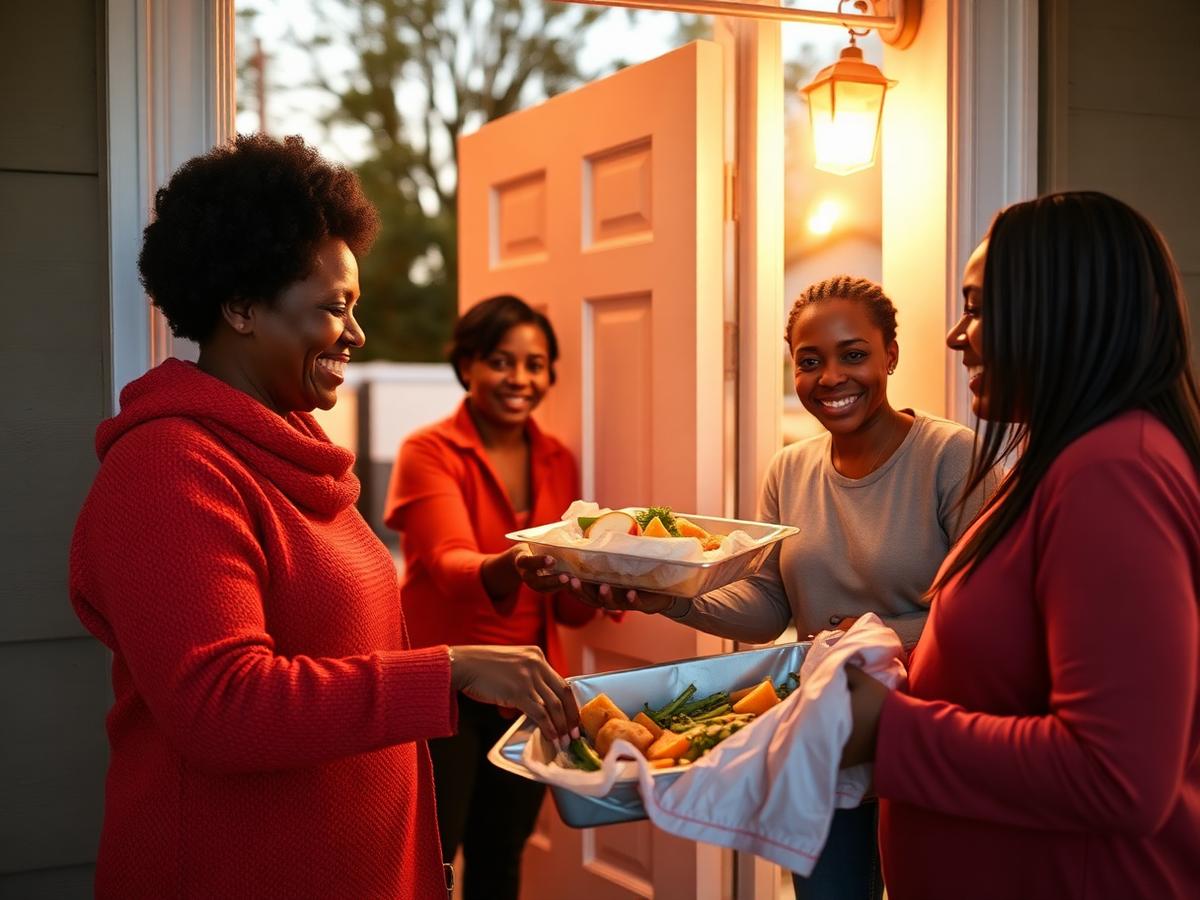
How to Organize Meals for a Family After a Funeral
When a family loses someone, the last thing they should worry about is dinner. Here's how to build a meal schedule that actually holds them.
What to Do When Someone Says "Let Me Know If You Need Anything"
The most well-meant sentence in the English language is also the most useless. Here's how to move past it — from either side of the conversation.
50 Practical Ways to Help Someone Going Through Cancer Treatment
Not one more "let me know if you need anything." Fifty specific, concrete things you can do this week for someone going through chemo, radiation, or recovery.
How to Organize Help After Surgery
Surgery recovery is a marathon, not a weekend. Here's how to organize meals, rides, and caregiving so the person coming home actually gets to rest.
The Ultimate Family Support Checklist After Losing a Loved One
One page. Everything a grieving family actually needs. Print it, bookmark it, share it with whoever is trying to help.
How to Coordinate Volunteers Without Endless Group Texts
The group text is where good intentions go to die. Here's how to run a coordinated support effort that doesn't burn out the person in charge.
30 Ways Neighbors Can Help During a Family Crisis
You don't have to be their best friend to be their lifeline. Thirty specific, neighborly things that add up to enormous support.
Meal Train Alternatives (2026 Guide)
Meal Train changed how communities show up. But it's not the only option — and for many families it's not the best one anymore. A no-fluff comparison.
How Churches Can Organize Care for Families in Need
Church care ministries are one of the oldest support networks in the country. Here's how modern tools can amplify — not replace — that ministry.
It Takes a Village: How Communities Can Rally Around Someone in Need
It takes a village. But nobody hands you a village. You have to build one, one specific act of care at a time. Here's how.
How to Accept Help Gracefully When You're Going Through Something Hard
Saying 'we're fine' is a reflex. Here's how to unlearn it — with scripts, boundaries, and the quiet permission to be carried for a while.
A Caregiver's Guide to Rest: Sleep, Energy, and Being Okay With Not Being Okay
You can't out-hustle a caregiving season. Here's a gentler operating manual — small rest habits that actually work when your days aren't your own.
Talking to Children About What's Happening: A Gentle Guide for Hard Seasons
Kids know something is wrong long before we tell them. Here's how to name it in a way that's honest, age-appropriate, and quietly reassuring.
Meal-Planning That Actually Helps: Menus, Allergies, and Drop-Off Etiquette
A great meal is more than good cooking. It's the right food, in the right container, at the right doorstep, at the right hour. Here's how to do all four.
Coordinating Rides and Errands: The Small Logistics That Lift Big Weights
Getting there and back is half the battle. Here's how to build a ride and errand rotation that respects the driver, the family, and the person being cared for.
Finding Local Support Groups for Caregivers, Grief, and Hard Seasons
You don't have to walk this alone. Here's how to find a support group — peer-led, clinical, faith-based, or online — that fits the season you're in.
Funeral Meal Ideas: What to Bring a Grieving Family
The right meal on the wrong day is still the wrong meal. Here's what to bring, when to bring it, and how to keep the food coming for the six lonely weeks after the service.
How to Support a Grieving Family in the First Year After Loss
Grief has a long tail. Everyone shows up in week one; almost no one shows up in month seven. Here's how to be the person who remembers.
Caregiving During Cancer Treatment: A Practical Guide
Caregiving during cancer treatment is the marathon nobody trains for. Here's how to organize the practical, protect the medical, and preserve yourself.
Meals During Chemo: What to Cook (and What to Skip)
Chemo changes what food tastes like, what smells trigger nausea, and how much anyone can eat in one sitting. Here's what actually works.
How to Organize Rides to Medical Appointments
The #1 unmet request from patients in long treatment is a reliable ride. Here's how to build a schedule that never leaves them stranded.
How to Help Someone Recovering from a Hip Replacement
Hip replacement recovery is a 6–12 week choreography of physical therapy, no-bend rules, and a house arranged around a walker. Here's how to actually help.
Knee Surgery Recovery: How to Help Week by Week
Knee surgery recovery is measured in ice packs, PT sessions, and small wins. Here's what to do in week one that still matters in week eight.
Recovery Meals: What to Bring After Surgery
Post-surgery meals do double duty: they feed a healing body and they save an exhausted household from cooking. Here's what actually works.
How to Organize a Meal Train for New Parents
New parents survive the first weeks on the food other people bring. Here's how to organize a meal train that actually feeds them — and doesn't wake the baby.
Postpartum Visitor Etiquette: How to Actually Help
A great postpartum visit leaves the parents fed, the baby held, and the kitchen cleaner than you found it. Here's the etiquette guide nobody wrote until now.
The First Six Weeks: How to Support a Family with a Newborn
The first six weeks with a newborn are a marathon. Here's a week-by-week plan for showing up as the friend, neighbor, or family member every new parent needs.
You don't have to do this alone
No one should have to ask for help alone.
Start your first Rally today. It takes less than a minute, and your people are already waiting to show up.