Meal-Planning That Actually Helps: Menus, Allergies, and Drop-Off Etiquette
A great meal is more than good cooking. It's the right food, in the right container, at the right doorstep, at the right hour. Here's how to do all four.
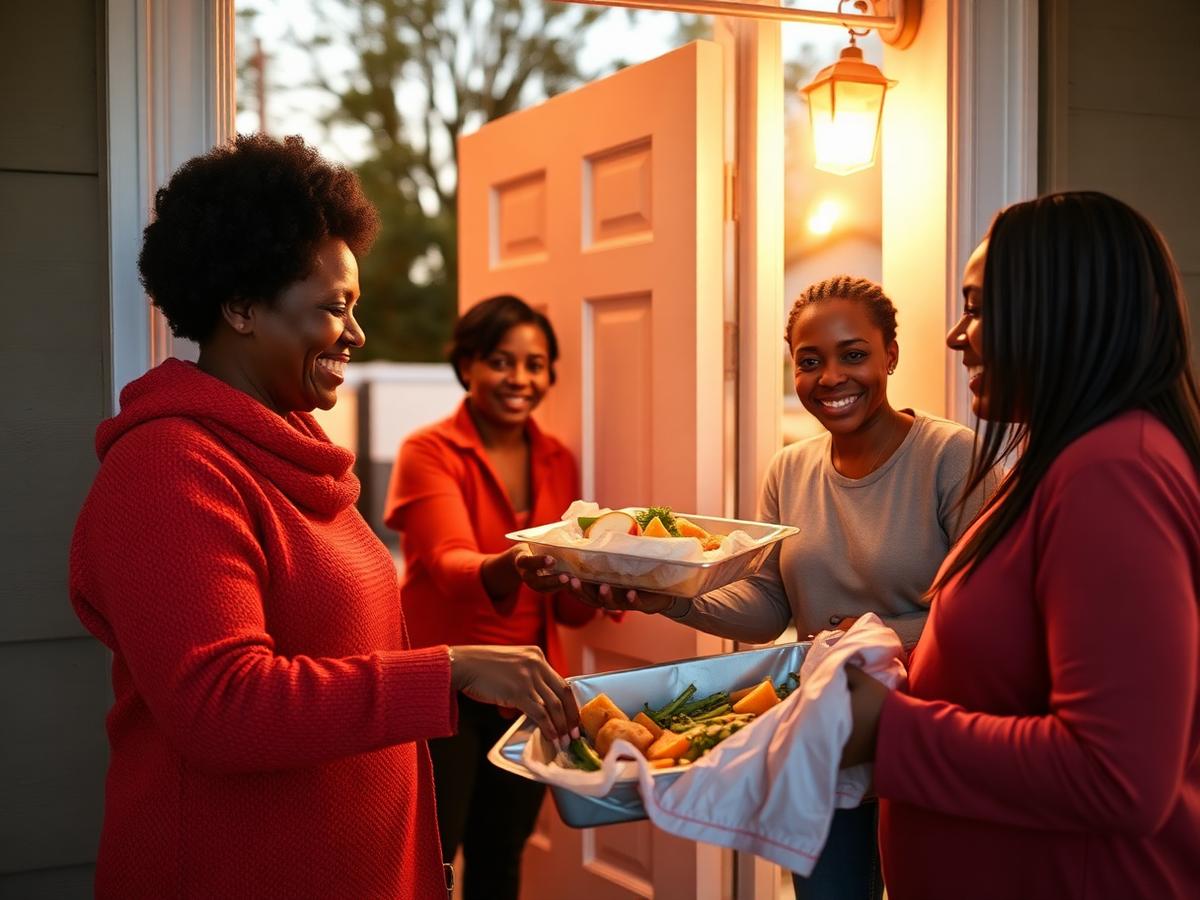
Bringing a meal to a family in crisis is one of the most quietly powerful things you can do. It says 'you don't have to think about dinner tonight, and you are not alone.' But — and every meal-train coordinator has watched this happen — a great impulse can turn into three lasagnas on a Tuesday and nothing in the fridge by Friday.
This guide is about the small logistics that turn well-meaning meals into meals that actually land. Menu ideas that stretch, allergy notes that don't get lost, containers you don't have to return, and drop-off etiquette that respects a family who has almost nothing left to give.
Ask these five questions before you cook anything
- Are there allergies, intolerances, or foods people won't eat? (Get specifics: 'no dairy' vs 'no cow's milk but sheep is fine' matters.)
- How many people, and how big are their appetites? A family of five with three teenagers eats a different meal than a widow living alone.
- Is anyone in treatment? Chemo, radiation, and post-surgery all change what food is tolerable. Bland, cold, room-temperature, low-smell, and easy-to-chew are common asks.
- What day and time works? Aim for a 30-minute drop-off window that ends before dinner. 4:30–5:00 on the porch is the sweet spot for most families.
- Do they need containers back, or can everything be disposable? Almost always, disposable. If they have to wash and return your Pyrex, you have made their day slightly harder.
Menu ideas that actually work
Sturdy dinners that reheat well
- Baked ziti or pastitsio (freezes beautifully, feeds a crowd)
- Sheet-pan chicken thighs with lemon and potatoes
- Beef or turkey chili with cornbread on the side
- Enchiladas (label the pan mild vs. spicy)
- Slow-cooker pulled chicken with buns, coleslaw, and pickles
- Vegetable-heavy shepherd's pie with a green salad
For families with kids
- Homemade chicken tenders with a side of fruit and carrot sticks
- Mac and cheese with a hidden vegetable puree (butternut is undetectable)
- Taco kit: seasoned meat, tortillas, cheese, lettuce, salsa, all separated
- Meatballs and marinara with pasta and garlic bread on the side
For someone in treatment or post-surgery
- Chicken and rice soup (low-smell, easy to reheat in small portions)
- Baked oatmeal (holds for breakfasts across several days)
- Smoothie packs, pre-portioned in bags for the freezer
- Congee or plain rice with a mild broth on the side
- Homemade popsicles with real fruit (a lifesaver for mouth sores)
The un-glamorous stuff that gets eaten first
- A rotisserie chicken and a bag of pre-washed salad
- A gallon of milk, a loaf of good bread, real butter, and a dozen eggs
- Fresh fruit already washed and cut in a container
- A case of bottled water and a box of granola bars for the counter
- Coffee, cream, and a bag of that specific kind the family drinks
"Never underestimate the power of showing up with a rotisserie chicken."
Packaging that respects the recipient
The container is part of the gift. A few rules that will make you the family's favorite meal-bringer:
- Disposable, always. Aluminum foil pans, deli containers, plastic clamshells. Nothing that has to come back.
- Label everything. Contents, allergens (bold), reheating instructions, and the date. A Sharpie on the foil is fine.
- Portion for freezing. Two smaller pans beat one huge one every time — families can freeze half for later.
- Include the extras. Salad dressing on the side, rolls in their own bag, sauce not on the pasta yet.
- Add a paper towel or a wipes pack. A small kindness that meets a real need.
Drop-off etiquette
The single most requested behavior from families in crisis: leave the food, don't ring the bell.
- Text when you're 10 minutes out. Don't call.
- Leave the meal on the porch in an insulated bag or cooler.
- Send a photo of what you dropped so they can find it.
- Don't wait for a reply. Don't ask what they thought. Don't expect a thank-you note.
- If you're invited in, keep it to 15 minutes. Have your exit sentence ready before you walk in: 'I just wanted to bring this — I'll get out of your hair.'
Coordinate meal windows, allergies, and drop-off notes in one Rally — no group text required.
Start a Rally for free. Invite your people. Let care happen.
The meals that matter most come later
The first two weeks after a crisis, meals pour in. Week four is when the fridge is empty and the visitors have stopped. If you want to be the friend who actually helps, sign up for weeks four, five, and six — a Wednesday-night standing meal, a Sunday drop-off, a monthly grocery run — and stick to it long after the initial wave has passed.
For more on coordinating this well without exhausting the family, see our guides to <a href='/blog/organize-meals-after-funeral' class='text-coral-600 underline'>organizing meals after a funeral</a> and <a href='/blog/meal-train-alternatives-2026' class='text-coral-600 underline'>modern meal train alternatives</a>.
Frequently asked questions
- What's the best meal to bring a family with kids?
- Something the kids will actually eat: chicken tenders, spaghetti and meatballs, tacos, mac and cheese. Save the wild-mushroom risotto for another day. Bland and familiar beats gourmet every time.
- What should I bring for someone in chemotherapy?
- Low-smell, room-temperature, bland foods. Chicken and rice soup, plain congee, smoothies, homemade popsicles, applesauce. Ask specifically — chemo appetite is unpredictable and the family will know what's tolerable that week.
- Is it okay to bring store-bought food?
- Absolutely. A rotisserie chicken, a good baguette, a container of pre-washed berries, and a bottle of sparkling water is a complete, wonderful meal. No one is grading your cooking.
- How do I handle allergies I don't fully understand?
- Ask specifically what the person can eat, not what they can't. 'What are three dinners you know Sarah always loves?' will get you a safer meal than a long list of forbidden ingredients.
About the author
The Rally Around You Team
We build gentle tools that help families, friends, and communities show up for one another during life's hardest and most tender seasons.
Published February 24, 2026 · Last updated April 25, 2026