Meals During Chemo: What to Cook (and What to Skip)
Chemo changes what food tastes like, what smells trigger nausea, and how much anyone can eat in one sitting. Here's what actually works.
Quick answer
The best chemo meals are bland, small-portioned, low-odor, and easy to reheat — think plain chicken and rice, scrambled eggs, mashed potatoes, cold sandwiches, smoothies, and clear soups. Skip strong-smelling foods (garlic, tuna, fried food), spicy dishes, and large portions. Package individual servings in disposable containers with reheat instructions, because appetite can vanish in minutes.
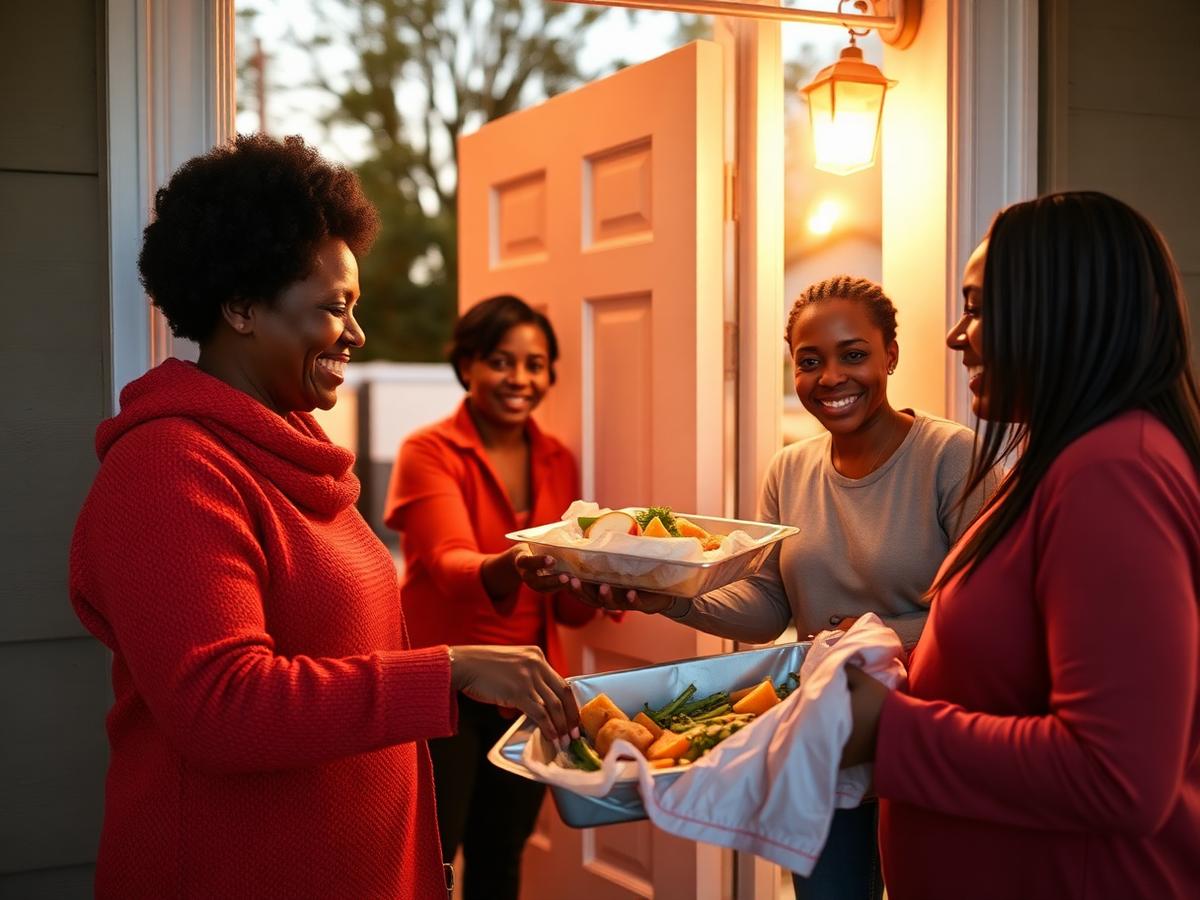
During chemo, food is a moving target. What tasted good yesterday tastes metallic today. The smell of dinner cooking can trigger nausea before anyone sits down. Bringing the right meal is more about restraint than creativity — small, simple, forgiving.
The chemo-friendly meal list
| Meal type | Good options | Notes |
|---|---|---|
| Protein | Baked/poached chicken, scrambled eggs, tofu, plain fish | Skip heavily seasoned or fried |
| Carbs | White rice, mashed potatoes, buttered noodles, toast | Bland is a feature, not a bug |
| Soups | Chicken noodle, broth-based veggie, mild potato leek | Cool slightly — hot foods worsen nausea |
| Cold meals | Turkey sandwiches, chicken salad, pasta salad | Often better tolerated than hot food |
| Smoothies | Banana + peanut butter + Greek yogurt + milk | High-calorie, low-effort to eat |
| Snacks | Crackers, applesauce, cheese cubes, hard-boiled eggs | For grazing between meals |
What to skip during active chemo
- Strong-smelling foods: tuna, garlic-heavy dishes, fried food, cabbage
- Spicy or acidic foods (mouth sores are common)
- Very hot temperatures — heat amplifies odor triggers
- Undercooked meat, raw fish, unpasteurized cheese (immune system is suppressed)
- Anything requiring a lot of chewing when mouth is sore
- Big rich casseroles that overwhelm a small appetite
Packaging chemo meals
Portion everything for one person. Two servings in a container is one wasted serving on a bad day. Label with: dish, ingredients (call out garlic, dairy, gluten, nuts), microwave time, and your name. Include a paper plate and plastic fork if you can — some patients have zero energy for dishes.
When to bring meals
Side effects usually peak 3–5 days after infusion. Aim to have food arrive right before that window and easy-to-heat food available during it. The 'good' week (right before the next cycle) is a great time for a fresh salad or something a little more indulgent.
Ready to organize support without endless texts?
Start a Rally for free. Invite your people. Let care happen.
Frequently asked questions
- What foods help with chemo nausea?
- Ginger (tea, candies, ale), peppermint, cold foods, plain crackers, bland proteins, and small frequent meals. Avoid strong smells, heavy fats, and large portions.
- Can I bring homemade food to a cancer patient?
- Yes — most patients love homemade meals. Make sure everything is fully cooked (chemo patients are immunocompromised), package in disposable containers, and label allergens and reheat instructions.
- What snacks should I stock for someone in chemo?
- Crackers, applesauce cups, cheese sticks, hard-boiled eggs, protein bars, bananas, plain yogurt, dry cereal, ginger candies, and electrolyte drinks. Small, easy, no prep.
- Are freezer meals okay for chemo patients?
- Absolutely — often preferred. Individual portions freeze well, thaw quickly, and mean the family isn't cooking on hard days. Label the date, contents, and reheat instructions.
- Should I ask about food restrictions first?
- Yes. Chemo can create sudden aversions (many patients can't stand chicken or coffee anymore). A quick text to the coordinator saves a wasted meal.
About the author
The Rally Around You Team
Care coordination writers, in partnership with hospice chaplains, postpartum doulas, and church care ministers.
We build gentle tools that help families, friends, and communities show up for one another during life's hardest and most tender seasons.
Published March 11, 2026 · Last updated May 22, 2026
This article is for general information and community support only. It is not medical advice. Always follow the guidance of the person's care team.